
.png)

.png)
.png)
.png)


Sahara Tours: How to Choose the Right Journey
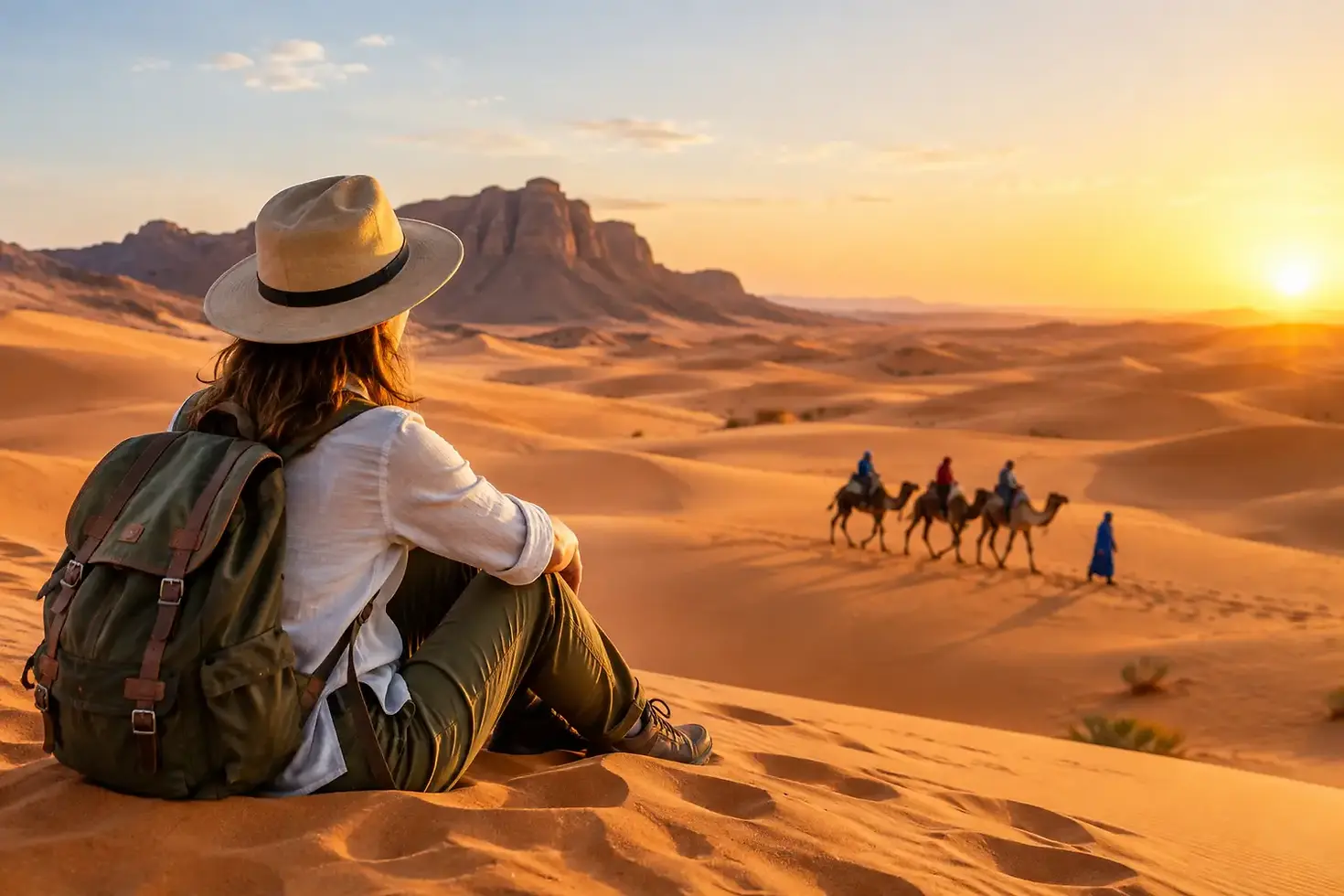
The desert day starts before sunrise. The air is cool, the dunes are still, and the first light turns the sand from rose gold to copper. That quiet hour is why Sahara tours stay with travelers long after the drive, the camp dinner, and the camel ride are over. Getting it right, however, depends on more than booking a tent in the sand. Route, travel pace, camp style, and the people coordinating the journey all shape the experience.
For travelers visiting Morocco from North America, a well-planned desert trip removes the hard parts: long-distance transport, changing landscapes, accommodations, luggage handling, and knowing where a short stop is worth making. It also leaves room for the moments that cannot be scheduled exactly, from a roadside tea break in the mountains to a clear night sky outside camp.
What Sahara Tours Really Involve
A Sahara journey is not a quick excursion from Marrakech. Reaching the major dune regions takes time, and that is part of the experience. The road crosses dramatic mountain passes, palm-lined valleys, old earthen villages, and wide open plateaus before the landscape begins to feel truly desert-like.
Most travelers choose between the Erg Chebbi dunes near Merzouga and the more remote Erg Chigaga area beyond M'Hamid. Erg Chebbi is the better fit for many first-time visitors: its tall, sculpted dunes are spectacular, access is easier, and it works well within a three-day itinerary from Marrakech. Erg Chigaga feels wilder and less developed, but it requires more travel time and usually a four-wheel-drive approach. Neither is universally better. The right choice depends on how many days you have, your tolerance for long drives, and whether you value convenience or remoteness most.
A typical tour includes a private driver or small-group transport, scenic stops along the route, one or more nights in desert accommodation, meals in the camp, and time in the dunes. Camel trekking is often available, but it should be one part of the experience rather than the entire focus. Walking a ridge at sunset, riding out to a quiet section of dunes, or simply sitting outside your tent can be just as memorable.
Choosing the Best Sahara Tour Length
The most common mistake is trying to fit the desert into too little time. A two-day round trip from Marrakech is possible, but it means long hours in the vehicle and limited time in the dunes. It can suit travelers with a very tight schedule, though it is rarely the most relaxed way to experience the Sahara.
Three days: the smart minimum from Marrakech
A three-day Marrakech to Merzouga route is a strong choice for couples, families, and groups of friends. The first day usually crosses the High Atlas and continues through changing valley scenery. The second day reaches the dunes with time for an afternoon activity and sunset. On the third day, travelers return to Marrakech or continue toward another destination.
This format still involves driving, but it gives the journey a better rhythm. You are not racing to the desert only to leave again a few hours later. For many guests, it is the best balance between limited vacation time and a meaningful overnight Sahara experience.
Four or more days: a better pace and more choices
With four days, you can spend less time backtracking, add a second desert night, or connect the Sahara with Fes rather than returning to Marrakech. This is particularly useful for travelers building a longer Morocco itinerary through Marrakech, the Atlas Mountains, desert landscapes, and historic cities.
More time also creates flexibility. You may linger in a valley town, take a longer walk, visit a local market, or choose a camp farther from the busiest access points. If the desert is one of the main reasons for your trip, an extra day is usually well spent.
Sahara Tour Camp Styles: What Comfort Looks Like
Desert camps vary widely, and the word luxury can mean very different things. Some camps offer spacious private tents, real beds, private bathrooms, hot showers, and thoughtful dining. Others are simpler, with shared facilities and a more basic setup. Both can be enjoyable, but expectations should be clear before you confirm.
A private tent with an en-suite bathroom is often the best choice for honeymooners, families, or travelers who want comfort after a full day on the road. It also makes the desert accessible to guests who do not consider themselves campers. A simpler camp can feel more intimate and is often a good option for friends, active travelers, or anyone prioritizing atmosphere over extra amenities.
Keep in mind that the Sahara is still a natural environment. Sand travels with the wind, temperatures change quickly after dark, and Wi-Fi may be limited or unavailable. Those are not shortcomings. They are part of being somewhere far from city routines. The goal is not to recreate a city hotel among the dunes, but to have the right level of comfort for your travel style.
When to Go for a Better Desert Experience
Spring and fall are generally the most comfortable times for Sahara travel. Days are usually pleasant for outdoor activities, while evenings can be cool enough for a jacket. These popular periods also reward early planning, especially for private vehicles and preferred camp categories.
Winter brings crisp, sunny days and cold nights. A well-equipped camp and warm layers make a major difference. For travelers who dislike heat, this can be an excellent season, particularly if they enjoy the contrast between bright daytime skies and sharp evening air.
Summer desert travel requires more care. Daytime heat can be intense, so drives, meals, and activities need to be planned around the hottest hours. It may suit travelers whose dates are fixed, but this is when local advice matters most. A good itinerary reduces unnecessary exposure and prioritizes air-conditioned transport, shaded stops, and an unhurried pace.
The Details That Make a Sahara Journey Feel Easy
The most memorable tours are usually the best organized behind the scenes. Desert routes involve distance, variable road conditions, meal timing, camp arrivals, and activity coordination. Travelers should not need to manage each piece while trying to enjoy the landscape.
A local trip designer can shape the experience around the details that matter to you: whether you prefer boutique riads or larger hotels, whether your group wants a private vehicle, how much walking feels comfortable, and where the desert fits within a broader Morocco trip. For families, that may mean shorter driving days and roomy accommodations. For a group of friends, it might mean a lively private camp setup and an itinerary that includes more active experiences.
It also helps to be honest about your priorities. If photography is high on your list, ask for time in the dunes outside the busiest sunset window. If you are celebrating a special occasion, choose a camp with a more private setting. If long drives concern you, build in an extra night along the route rather than trying to cover everything at once.
Nomadik Morocco plans these journeys with firsthand knowledge of the roads, camps, guides, and stopping points that turn a long route into a well-paced adventure. That local coordination is especially valuable when a trip combines the Sahara with mountain stays, city hotels, or a custom arrival and departure plan.
What to Pack for the Desert
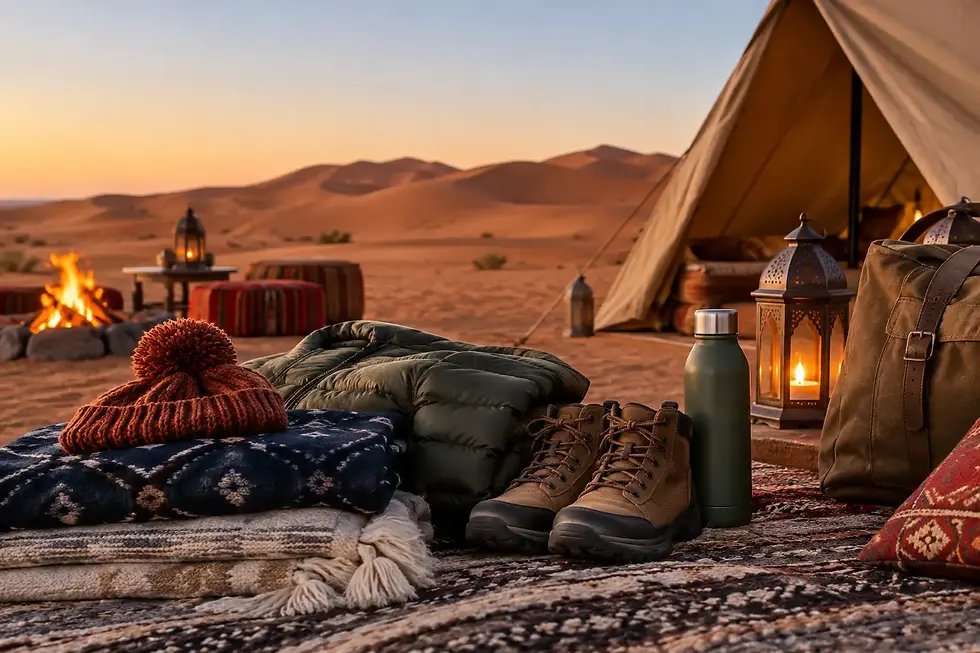
Packing for the Sahara is straightforward, but a few choices make the experience more comfortable. Bring light layers for warm days and cooler evenings, closed shoes for walking in sand, sunglasses, sunscreen, and a reusable water bottle. A small day bag is useful for your camera, phone, and a light jacket during the camel ride or dune walk.
Avoid overpacking for the camp night. Your main luggage can normally stay in the vehicle while you take a smaller overnight bag to your tent. Sand can find its way into open bags and pockets, so a zippered pouch for electronics is helpful. For photography, a simple lens cloth is often more useful than carrying extra gear.
Above all, leave room in the itinerary for the desert to be quiet. The best Sahara tours do not try to fill every minute. They give you enough structure to travel comfortably, then enough space to watch the light change across the dunes and remember why you came.


Comments