
.png)

.png)
.png)
.png)


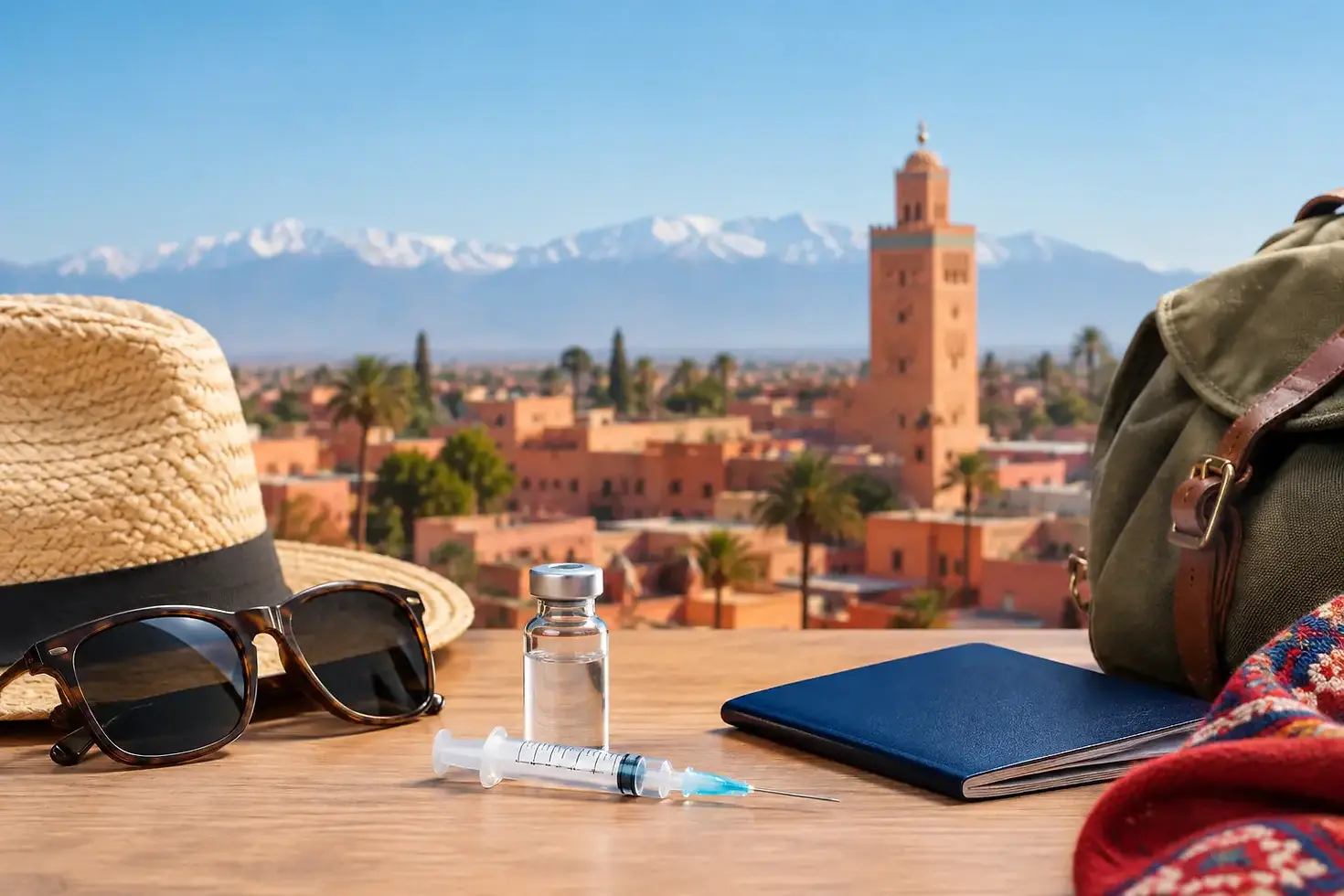
What Morocco Vaccinations Are Needed for Travel?
A sunset camel ride in the Sahara, a food-filled afternoon in Marrakech, and a few days hiking in the Atlas Mountains can all fit comfortably into one Morocco itinerary. The health preparation is usually straightforward, but travelers often ask: what Morocco vaccinations needed before a trip? For most visitors from the United States, the answer starts with being current on routine vaccines, then discussing a small number of travel vaccines based on where you will go, how long you will stay, and the kind of experiences you have planned.
Vaccination advice changes with public health guidance and personal medical history. Plan a consultation with your doctor or a travel-health clinic four to six weeks before departure if possible. They can review current official recommendations, your records, allergies, medications, age, and any conditions that affect vaccine choices.
What Morocco vaccinations are needed for most travelers?
There is no long, mandatory vaccine list for Americans arriving in Morocco directly from the United States. Still, travel-health professionals generally begin with routine immunizations, then commonly discuss hepatitis A and, in many cases, typhoid and hepatitis B.
The right recommendation is personal. A traveler spending a week in high-end riads, using private transport, and dining at established restaurants has different exposure patterns than someone trekking for several weeks, visiting rural communities, or working closely with animals. Good trip planning accounts for both.
Start by checking routine vaccinations
Before considering travel-specific shots, make sure standard vaccinations are up to date. This commonly includes measles, mumps, and rubella (MMR); tetanus, diphtheria, and pertussis (Tdap); polio; chickenpox; seasonal flu; and COVID-19 according to current guidance.
This step can sound ordinary, but it matters. International travel brings people together from many places, in airports, busy medinas, mountain villages, and shared transport. A routine vaccine that has lapsed is often the most practical gap to address.
If you are unsure what you received as a child, your medical provider can help locate records or advise whether a booster or blood test makes sense. Do not assume a childhood vaccine automatically means lifelong coverage.
Hepatitis A is commonly recommended
Hepatitis A is one of the most frequently discussed travel vaccines for Morocco. The virus can spread through contaminated food or water, and exposure is possible even when you are careful about where you eat.
Morocco's dining is one of the pleasures of the trip: market olives, fresh bread, grilled meats, orange juice, and long shared meals. Sensible food and water habits help, but vaccination adds a useful layer of protection. It is especially worth discussing if you enjoy street food, plan to travel beyond major cities, or are bringing children.
The first dose usually provides protection relatively quickly, though your clinician will tell you how far ahead to schedule it and whether a second dose is needed for longer-term coverage.
Typhoid depends on your route and travel style
Typhoid vaccination is often considered for Morocco travelers, particularly those visiting smaller towns or rural areas, eating frequently from informal food stalls, or traveling for an extended period. It may also be a sensible conversation for adventurous itineraries that include mountain trekking, desert camps, and long road journeys between regions.
That does not mean every visitor faces the same level of risk. A short private journey with carefully selected accommodations and restaurants is different from independent, budget-focused travel with frequent local food stops. Your clinician can help weigh the benefit for your specific route.
Typhoid vaccines do not replace careful choices around food and water. Drink sealed or reliably treated water, use caution with ice when you are uncertain of its source, and choose food that is freshly cooked and served hot. In the warmer months, this is particularly useful advice.
Hepatitis B may be a good addition
Hepatitis B can be transmitted through blood and certain body fluids. Travelers may choose it for broader protection, particularly if they expect a longer stay, could need medical care abroad, are traveling repeatedly, or simply have not been vaccinated previously.
For many Americans, hepatitis B was part of childhood immunization. Confirming that history is more useful than guessing. Some adults may need a full series, while others may already be protected.
Vaccines that may be needed for certain Morocco itineraries
Some vaccines are not standard for every Morocco vacation but deserve a targeted conversation with a travel-health professional.
Rabies for remote travel or animal exposure
Rabies is a consideration for travelers who will spend substantial time in remote areas, work with animals, cycle or trek independently far from medical facilities, or travel for many weeks. Morocco has free-roaming dogs in some locations, and animal encounters can happen in cities as well as rural areas.
For a typical guided private tour, pre-exposure rabies vaccination may not be necessary. The trade-off is access: after any bite, scratch, or saliva exposure from a mammal, prompt medical assessment is still needed, whether or not you had the vaccine beforehand. Pre-exposure vaccination simplifies part of the treatment process, but it does not remove the need to seek care.
The practical rule is simple: do not pet, feed, or approach unfamiliar animals. This includes dogs, cats, and monkeys. Remind children before the trip, since an appealing animal can be hard to resist.
Yellow fever rules depend on where you arrive from
Morocco is not a yellow fever risk destination for travelers arriving from the United States. However, proof of yellow fever vaccination can be requested if you are entering after time in a country with yellow fever transmission. Requirements can also depend on the details of a long airport transit.
If your Morocco journey includes other countries before arrival, check the current entry rules early rather than relying on an old itinerary note or a general online forum. Your airline and travel-health clinic can help confirm what applies to your route.
When should you book a travel-health appointment?
Four to six weeks before departure is ideal, particularly if you may need a multi-dose series or want time to manage side effects before a long flight. That window also gives your clinician time to discuss prescriptions, such as medication for travelers' diarrhea or altitude-related concerns if you are heading into the High Atlas.
A last-minute trip does not mean you should skip the appointment. Some vaccines can still be helpful close to departure, and a clinician can prioritize what offers the greatest value. Bring your itinerary with you, including time in Marrakech, Fes, the coast, the Sahara, and mountain areas. Specific details lead to better advice.
Families should plan even earlier when possible. Pediatric recommendations, vaccine schedules, and minimum ages can differ from adult guidance. Travelers who are pregnant, immunocompromised, or managing a chronic condition should seek personalized advice well before booking final arrangements.
Health preparation beyond vaccines
Vaccines are one part of a well-prepared Morocco trip, not the whole plan. Pack regular prescriptions in their original labeled containers, with extra supply in case of delays. Keep essential medication in your carry-on, not in checked luggage. Travel insurance with medical coverage and evacuation support is also worth reviewing, especially for remote desert or trekking days.
In the Sahara and Atlas Mountains, dehydration and sun exposure are often more immediate concerns than infectious illness. Carry water, wear sun protection, and give yourself time to adjust to heat and altitude. On trekking routes, a steady pace is wiser than trying to match the fastest person in the group.
For food, use the same judgment you would in any unfamiliar destination. Busy stalls with high turnover and food cooked in front of you are generally reassuring signs. Wash hands before meals, carry hand sanitizer for road days, and listen to your body if something does not feel right.
A practical pre-departure checklist
Before you fly, confirm these four points with your healthcare provider: routine vaccines are current; hepatitis A, typhoid, hepatitis B, and rabies have been considered against your itinerary; any yellow fever documentation is clear for your route; and your personal medications are packed with a simple care plan.
Your itinerary should make the preparation easier, not harder. With the right medical advice and a thoughtfully organized route, you can focus on the moments that stay with you: tea after a mountain walk, the quiet of a desert night, and the scent of warm bread in a morning market. If you are planning a custom journey, Nomadik Morocco can help shape the logistics around your pace and travel style, leaving you free to arrive prepared and travel with confidence.


Comments