


Winter in Morocco: Is It the Right Time to Visit?
A clear winter morning in Morocco can begin with snow on the Atlas peaks, continue with lunch on a sunny Marrakech terrace, and end beneath sharp, star-filled skies in the Sahara. That range is exactly what makes winter in Morocco so rewarding - and why a well-planned route matters more than simply packing for one forecast.
For travelers who prefer fewer crowds, comfortable city sightseeing, and dramatic desert light, December through February can be an excellent time to visit. The trade-off is real: mountain conditions can be severe, daylight is shorter, and desert nights are cold. With the right accommodations, vehicle, pacing, and local guidance, winter offers a quieter, more intimate side of Morocco.
What Weather Is Like During Winter in Morocco
Morocco does not have one winter climate. Conditions change quickly between the coast, imperial cities, mountain valleys, and desert. A trip that includes Marrakech, the High Atlas, and the Sahara may require sunglasses, a warm jacket, and rain protection within the same week.
In Marrakech and other inland cities, daytime temperatures are often pleasant for walking, generally reaching the 60s F. Mornings and evenings feel much cooler, particularly in riads with open courtyards or on rooftop terraces. Rain is possible, but it usually arrives in short spells rather than defining an entire trip.
Along the Atlantic coast, places such as Essaouira tend to stay mild, with fresh ocean air and stronger winds. This can be a good choice for travelers who want a slower winter stop between city touring and desert travel. Expect layers rather than beach weather.
The High Atlas is a different proposition. Higher elevations receive snow, and temperatures can drop below freezing after dark. Winter trekking is still possible on appropriate routes, but it demands proper equipment, flexible planning, and an experienced mountain team. For a Toubkal ascent, conditions depend heavily on recent snow and ice, so this is not a trip to arrange around a fixed packing list alone.
In the Sahara, daytime temperatures are often comfortable for exploring dunes, camel rides, and short walks. Once the sun sets, the cold arrives quickly. A quality desert camp, warm bedding, a proper dinner tent, and a vehicle that allows you to travel comfortably between stops make a noticeable difference.
Why Winter Can Be One of the Best Times to Visit
Summer heat can make long medina walks, road journeys, and desert excursions demanding. Winter changes the rhythm. You can spend more time exploring historic city lanes, visiting artisan workshops, and enjoying long lunches without needing to plan every activity around the hottest part of the day.
It is also a strong season for travelers who value atmosphere over peak-season energy. Marrakech remains lively, but many routes feel less crowded than they do in spring or fall. In the desert, lower visitor numbers can make a sunset walk or campfire evening feel more personal, especially on a private itinerary.
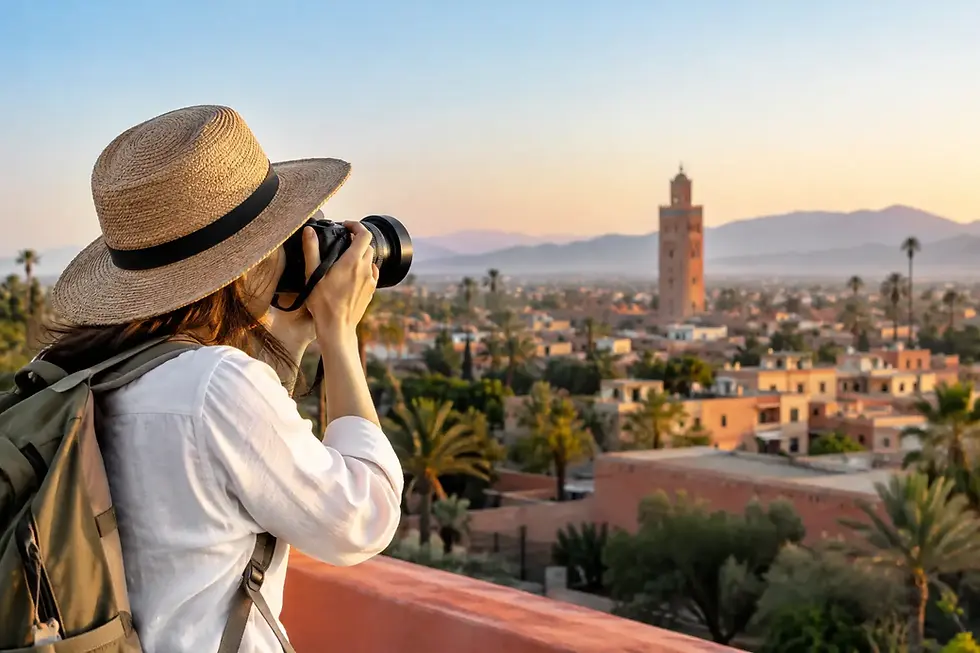
Winter light is another advantage. The air is often clear after rain, the Atlas Mountains stand out sharply from the plains, and the desert takes on softer gold and amber tones through the afternoon. Photographers appreciate these conditions, but no special interest is required to enjoy them. The scenery simply feels more defined.
The key is accepting that winter travel is not about chasing constant warmth. It is about choosing the right experiences for the season. City stays, desert journeys, food-focused days, scenic drives, and lower-elevation walks tend to work especially well.
The Best Winter in Morocco Itineraries
Marrakech, the Atlas, and the Sahara
For a first visit, a route combining Marrakech, the High Atlas foothills, Ait Ben Haddou, and the Sahara is often the most rewarding winter itinerary. It delivers Morocco's major contrasts without requiring internal flights or excessive hotel changes.
Allow at least five to seven nights if you want the journey to feel unhurried. A three-day desert tour from Marrakech is possible and remains popular with families and friend groups, but it involves long driving days. Adding an extra night lets you break up the return journey, spend more time in the dunes, and enjoy the road rather than simply covering distance.
In winter, the mountain crossing is the section that needs the closest attention. Snowfall can affect high passes, so a locally operated itinerary should include realistic timing and a sensible alternate plan if conditions change. A private driver-guide can adjust stops, departure times, and routing far more easily than a large fixed coach tour.
Marrakech and the Atlantic Coast
Travelers with a shorter schedule may prefer Marrakech paired with Essaouira. The combination works well in winter because it balances busy city days with a quieter coastal pace. Explore Marrakech in the morning and late afternoon, then head west for seafood lunches, art galleries, and long walks along the ramparts.
This route is particularly suited to couples, multigenerational families, and anyone who wants a comfortable trip without long overland distances. It is also a good option when mountain weather makes higher-elevation activities less appealing.
Cities and Lower-Altitude Landscapes
A winter journey through Marrakech, Fes, Meknes, and the surrounding countryside can be deeply rewarding for travelers interested in craftsmanship, architecture, markets, and food. The cooler temperatures make guided walking tours more comfortable, while a thoughtful itinerary avoids the temptation to rush through several cities in too few days.
If you are traveling in January or February, build in time for indoor experiences and relaxed afternoons. A well-located riad matters in winter: heated rooms, a welcoming lounge, and reliable service can turn a cool evening into one of the most memorable parts of the trip.
What to Pack for a Comfortable Winter Trip
Packing for Morocco in winter is less about bringing heavy luggage and more about bringing versatile layers. You will use them throughout the day, especially on routes that move between cities, mountains, and desert.
Bring these essentials:
A warm mid-layer, such as fleece or lightweight down, for early mornings and evenings
A waterproof outer layer for rain in cities and changing mountain weather
Comfortable closed-toe walking shoes with good grip for medina streets and uneven terrain
A warm hat, gloves, and scarf for the Sahara and High Atlas
Sunglasses, sunscreen, and lip balm, since winter sun and dry air can still be strong
For desert nights, do not rely only on a thick sweater. Ask what bedding, heating, and private tent options are included at the camp. Standards vary, and the difference between a basic camp and a well-equipped one is more noticeable in January than in warmer months.
Practical Planning Considerations
Winter days are shorter, which affects how much can comfortably fit into an itinerary. Desert drives should start early, and outdoor activities are best planned with sunset times in mind. Trying to add too many stops to a short day often means arriving after dark and missing the landscapes that made the route worthwhile.
Road conditions deserve the same care. Major routes are generally dependable, but mountain roads can be affected by snow or heavy rain. Travelers should avoid self-driving unfamiliar high-altitude routes in poor conditions unless they are very comfortable with mountain driving. A professional local driver brings not only navigation but current knowledge of road conditions, suitable stops, and the pace required for a safe day.
Accommodation selection also matters. In cities, choose riads or hotels with heating and rooms that are comfortable beyond the sleeping hours. In mountain areas, look for properties experienced in hosting winter guests. In the Sahara, prioritize camp quality, insulated bedding, and a clear explanation of how transfers and activities operate if weather shifts.
For tailored winter travel, Nomadik Morocco can shape the route around your group, travel dates, preferred comfort level, and appetite for adventure. That may mean a private Sahara journey with an extra night, a lower-altitude Atlas experience instead of a summit attempt, or a city-and-coast itinerary that keeps every transfer easy.
Winter rewards travelers who leave room for the unexpected: a snowy mountain view from the road, a long mint tea beside a warm fire, or an extra hour in the dunes because the light is too good to leave behind.


Comments